Modern conference rooms
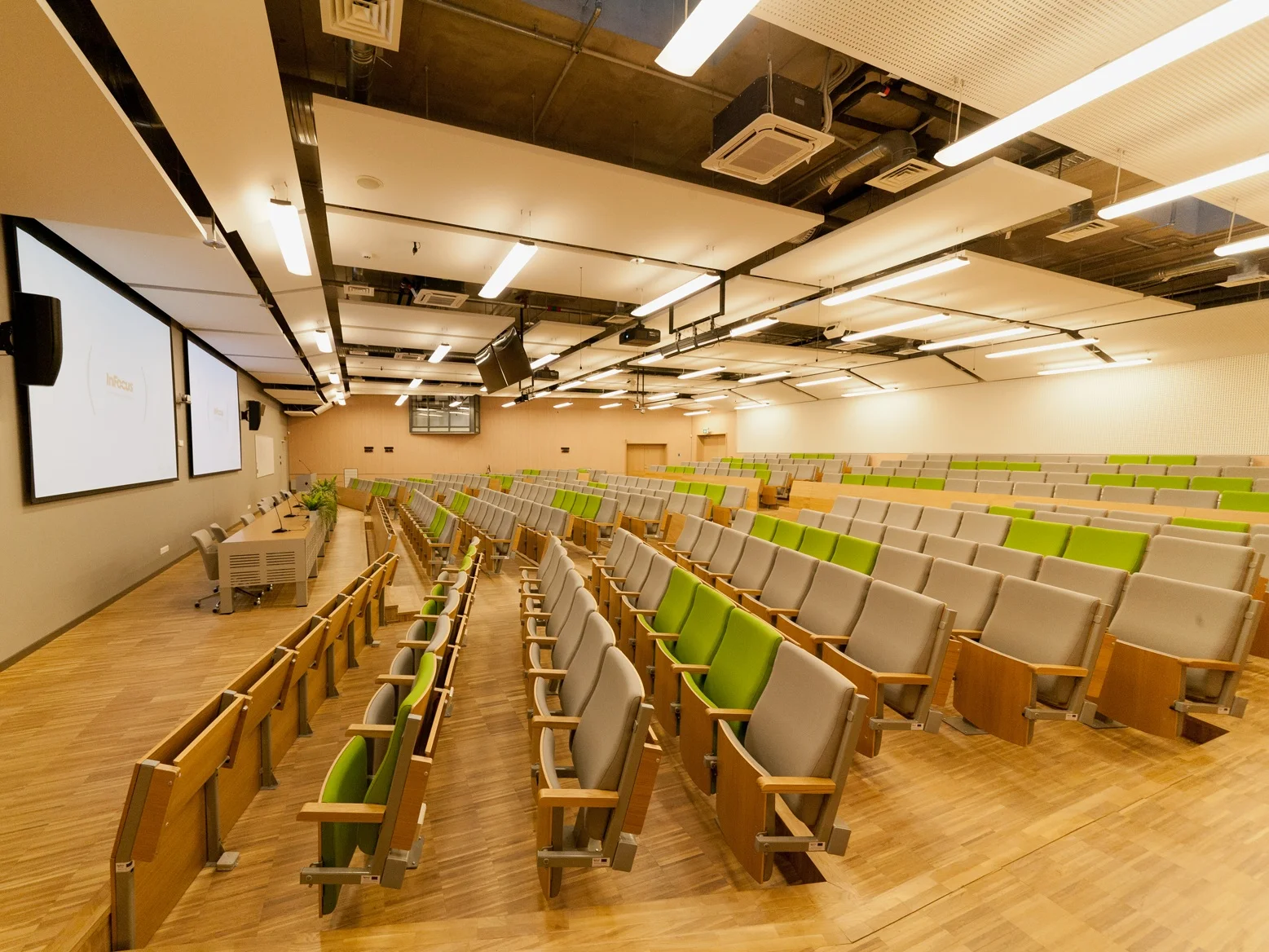
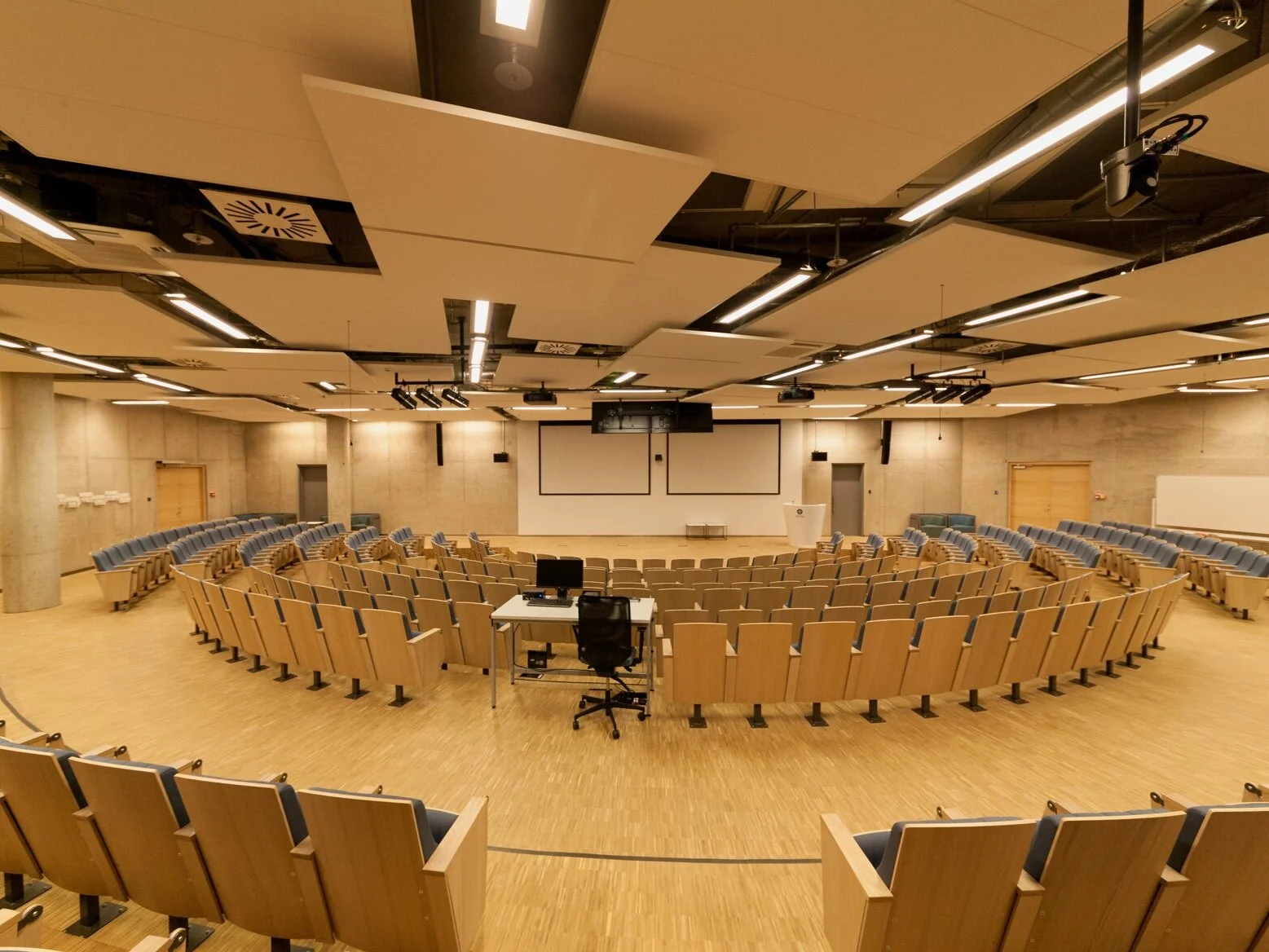
Nowadays, conference halls play a vital role in public, educational, informational, and business events, providing a space where information can be presented to large audiences in an engaging, clear, and concise manner.
Modern conference halls are no longer limited to a single whiteboard, a ceiling-mounted projector, and one VGA cable for connecting a computer. Today’s facilities are equipped with high-resolution 4K displays and projection systems, preview monitors, and signal sources from high-performance servers, PCs, and Blu-ray players. These halls also include microphone systems, audio and video recording equipment, and advanced sound systems. In top-level venues, integrated video conferencing systems with automated PTZ cameras are essential for instantly broadcasting lecturers, discussion participants, or guest speakers through video conferencing platforms or university lecture servers, allowing students to access recorded materials later. Many conference halls are also equipped with simultaneous interpretation systems for international conferences.
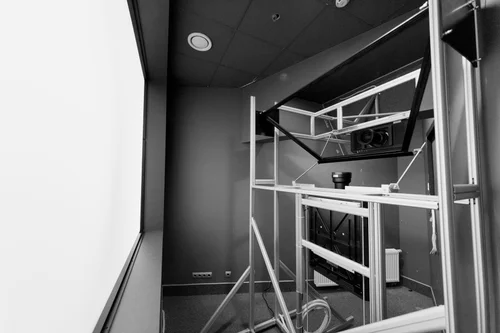
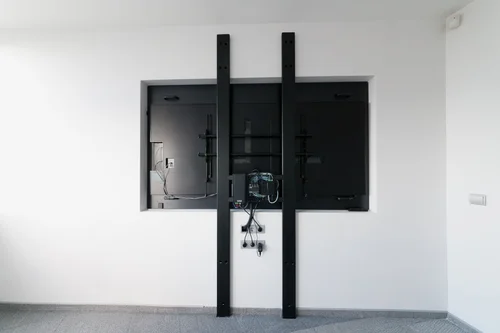
Essential components of conference rooms include audio and video signal sources, junction boxes and connecting cables, signal switching equipment, microphones and audio playback systems, as well as screens and displays. The most commonly used solutions are projection systems consisting of a projector and a retractable screen. For these systems, it is recommended to darken the room, or at least the area immediately surrounding the screen.
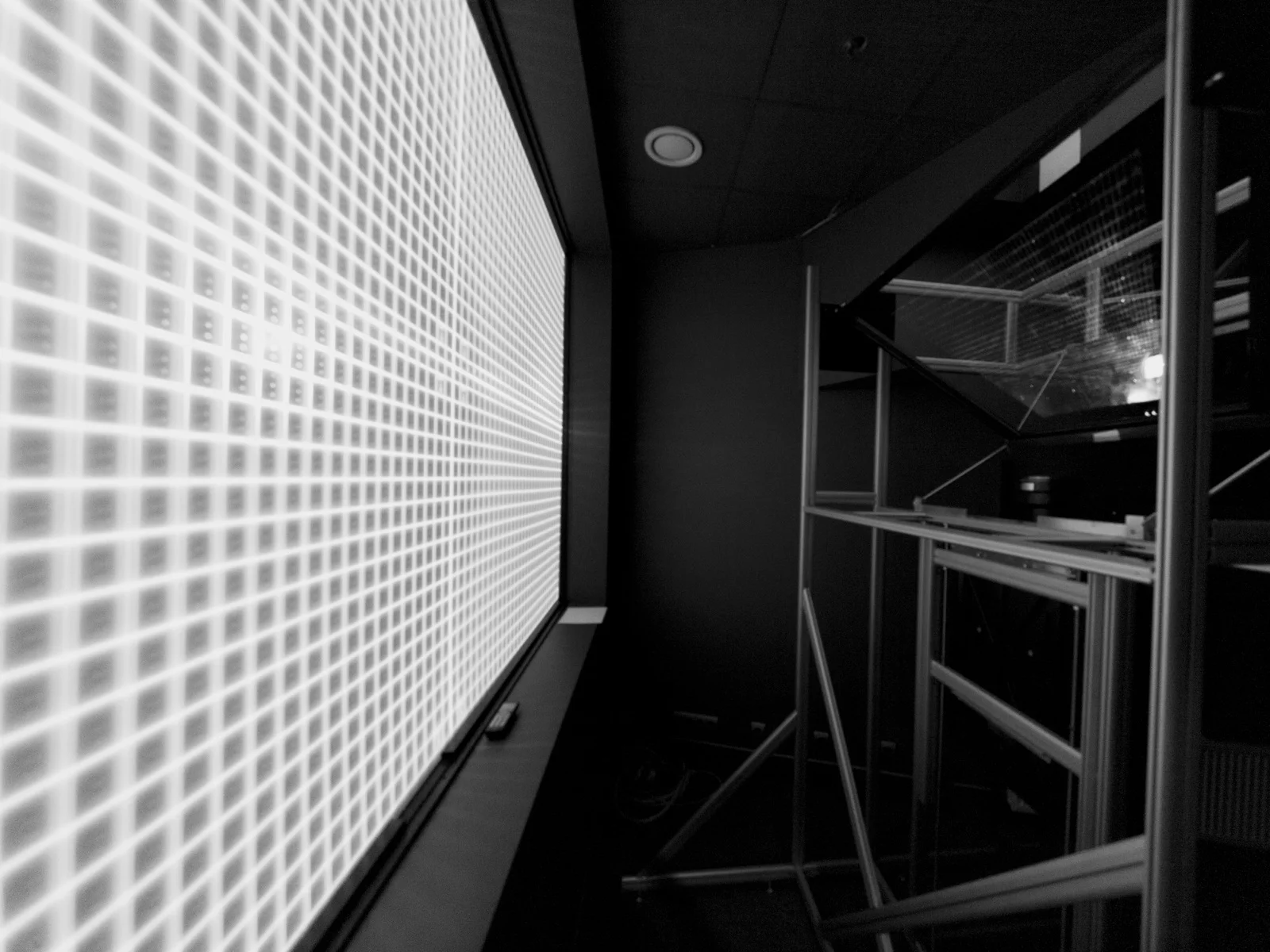
Ambient lighting is less disruptive for rear projection systems, which are also more complex and expensive, and require space behind the screen and a special mirror system. Recently, LED walls (not to be confused with LED display walls) have become popular, which are currently disproportionately expensive systems for the resolution intended for conference rooms. Switching equipment is usually located in the technical room.
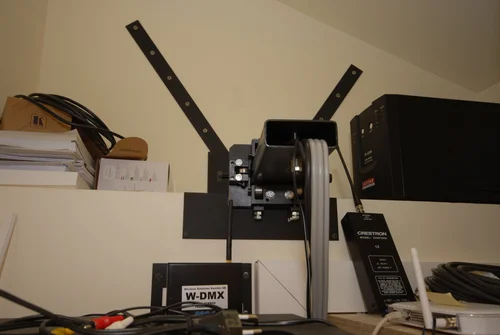
Crestron, a world leader in multimedia control solutions, simplifies and streamlines the technology used in conference rooms, meeting spaces, and entire buildings. Crestron provides comprehensive control of integrated systems, allowing users to focus fully on meetings, conferences, presentations, and business discussions themselves.
Today’s conference room multimedia systems rely on high-definition digital content. Developing advanced content distribution systems capable of supporting modern PC standards, Blu-ray players, and displays with resolutions of 1080p, 4K, and higher requires the use of High-Definition Multimedia Interface (HDMI) technology.
Crestron’s DigitalMedia standard is currently the only complete multi-zone audio and video distribution system in its class capable of reliably supporting high-definition HDMI content up to 4K resolution and beyond. The new DigitalMedia 8G system delivers an even higher level of performance and ease of use. It is the world’s first high-definition audio and video distribution and control system with a bandwidth of 8 Gb/sec, capable of processing both today’s content and the formats that will emerge in the future. DM 8G enables the transmission of high-definition audio and video signals, as well as Ethernet, over a single cost-effective copper STP or optical cable without the need for compression or repeaters.
4K/ DigitalMedia: Crestron’s innovative DigitalMedia technology enables the transmission and distribution of the latest 4K signals to 4K displays in all their glory at 4K, 30Hz, 4:4:4 36 Bit. It allows you to integrate digital and analog audio video signals together – all on one common platform. DigitalMedia is a ready-made 4K distribution system for all your media devices and is also ideal for most different applications.
Crestron, a leader in both HDMI technologies and conference and meeting room solutions, has developed the DigitalMedia platform — the only fully integrated high-fidelity audio and video signal distribution system capable of reliably routing audio, video, and data signals, including Ethernet and USB, and distributing them to all conference room displays and, when required, throughout the entire building.
Customers are not always able to completely replace their existing audio-video systems whenever a new technology is introduced. DigitalMedia protects existing investments by allowing new digital audio and video sources, computer equipment, and imaging devices to be easily integrated into the current system without requiring a complete system redesign. As a result, by using DigitalMedia, users do not need to continuously upgrade their existing audio-video systems with every new technological advancement, ensuring that the customer’s investment remains securely protected.
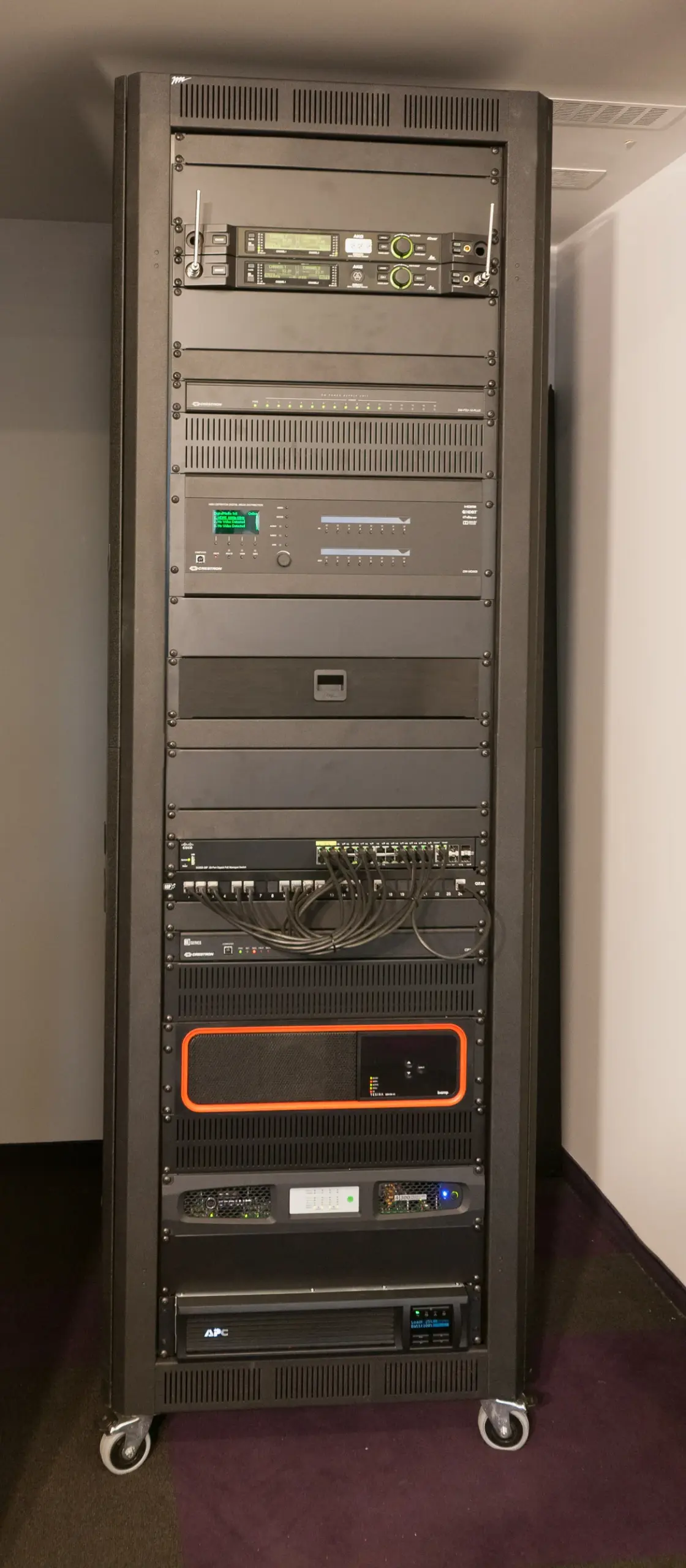
Key features and characteristics of the system:
-
Switcher for high-definition multimedia systems, microphone mixer, digital audio signal processing audio processors, amplifier and control system;
-
DigitalMedia switch that supports DM 8G+;
-
Simultaneous matrix signal routing for 16 sources and 16 display devices;
-
Supported digital signal sources: HDMI, DVI, DisplayPort Multimode and SPDIF;
-
Supported analog signal sources include RGB, composite video, S-Video, component video, and stereo audio signals;
-
Automatic recognition of all audio and video source inputs and input switching;
-
Built-in 6-channel microphone mixer with digital signal processing;
-
Complex solutions for mixing and distributing audio signals to 7 independent outputs;
-
Support for independent switching and switching with audio signal tied to video;
-
Three stereo analog outputs with independent digital signal processing for each output;
-
Built-in 40W amplifier with mode selection: 8 ohm stereo or 70/100V mono;
-
Transmission of multi-channel audio signals in PSM, Dolby® and DTS® formats to HDMI and DM 8G+ outputs;
-
DigitalMedia 8G+ is an interface for connecting remote sources and video equipment with a single CAT5e cable;
-
Possibility of powering devices that support the PoD standard via the DM interface;
-
QuickSwitch HD technology allows you to manage HDCP keys, ensuring stable switching with minimal delay;
-
Automatic control of audio formats and video signals according to the EDID data standard;
-
Built-in 2-series system control;
-
Support for Crestron touch panels, button panels and remote controls;
-
Crestron Mobile®, e-Control® 2 and RoomView™ support;
-
Easy adjustment and diagnostics from the front panel or via PO;
-
Built-in universal power supply, which allows you to use the device in different countries of the world;
-
It is intended to be mounted in a standard 19-inch rack (3U height).
DigitalMedia switch model line
The central part of the system is the matrix switcher.
Integrated solutions based on Crestron simplify and organize various technologies in meeting rooms, conference rooms, and throughout a company’s office or building.
Crestron has evolved far beyond the capabilities of touch and control panels, becoming a source of centralized control, management and information presentation. With simple, intuitive touch control panels, fixed and wireless remote controls, it is possible to automate and control lights, curtains, screens, climate systems, audio-video equipment and presentation equipment. Thus, Crestron allows you to focus on the events themselves, meetings, discussions, presentations, without wasting time on technical issues.
Crestron solutions are used across a wide range of application areas:
-
In meeting rooms and VIP rooms
-
Conference rooms
-
In classrooms
-
In the field of advertising screens
-
Any equipment system consisting of various types of devices requires unifying automation and simple, intuitive control
DigitalMedia includes various input modules, as well as transmission and switching equipment that provide support for all types of analog and digital signals.
This enables intelligent signal distribution between all connected devices without any change in image and sound quality (without signal compression or scaling).
It also provides Ethernet switching (built-in Gigabit Ethernet switch), as well as IR, RS-232, and USB signal switching. This enables computers, network equipment, media servers, game consoles, and other devices to be installed in convenient locations with access from anywhere, without the need to lay additional wiring.
Crestron, a world market leader for over 40 years, provides comprehensive control of systems and is not only a source of comfort and extensive functionality, but also a reflection of the owner’s status. At the same time, Crestron offers a wide range of more budget-friendly solutions. One can speak at length about how effective and convenient Crestron systems are, but it is enough to note that one of the most technologically advanced yachts in the world — Roman Abramovich’s yacht Pelorus — is equipped with Crestron systems. It is also worth mentioning that the NATO command center, Microsoft Corporation, and many other organizations use Crestron automation systems as their corporate standard.
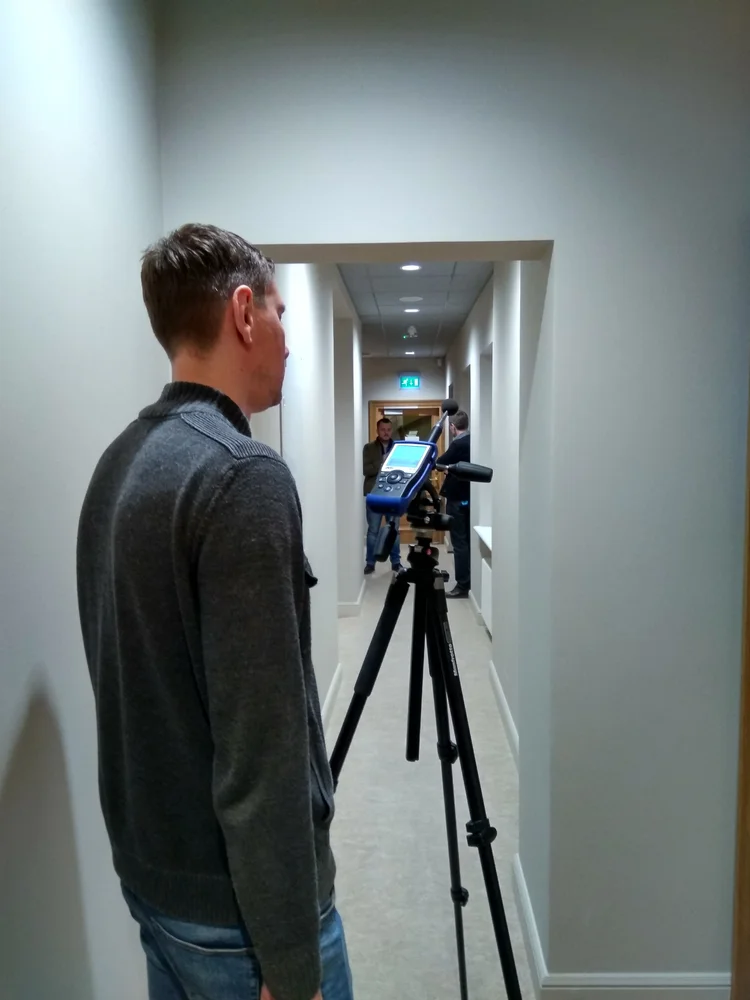
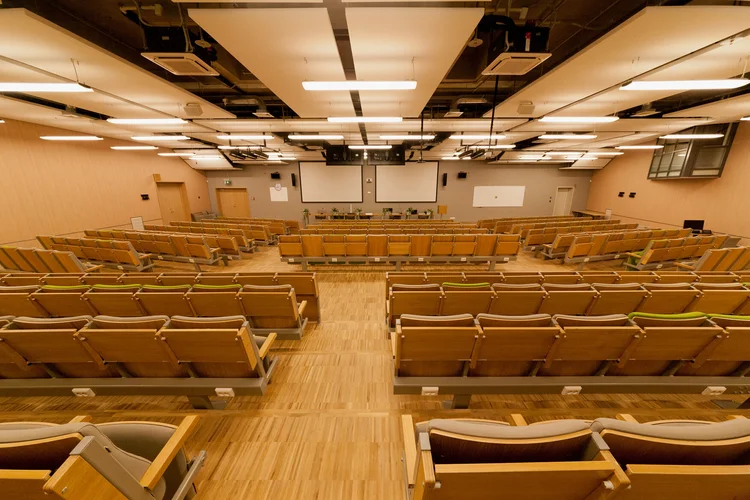
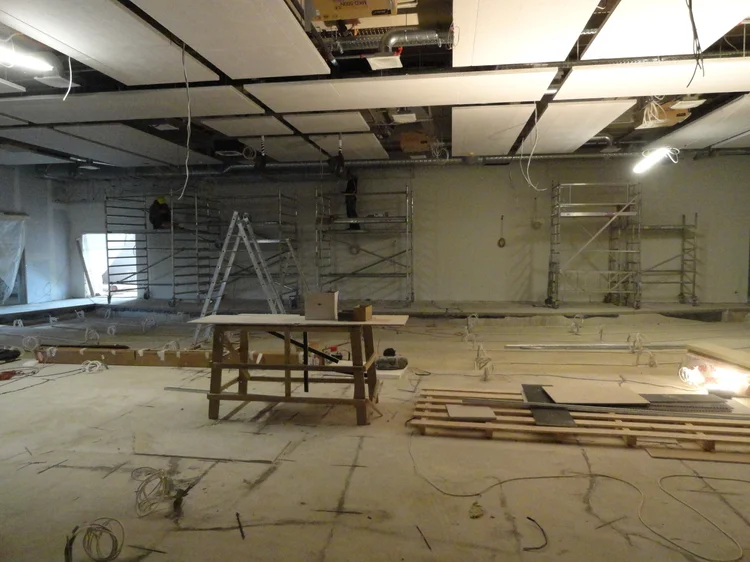
In order to create a unified and operationally reliable control system, it is first necessary to identify all functionally required equipment for the user, including both newly selected components and the functional systems already existing in the building, to ensure their stable integration into the overall control system.
Our specialists regularly conduct specialized training in the field of the latest control technologies and are able to design and implement a secure, unified control system, starting from solution coordination and project development, through cable installation and equipment delivery, to careful installation in hardware racks, system programming, handover to the user, as well as warranty and post-warranty service.
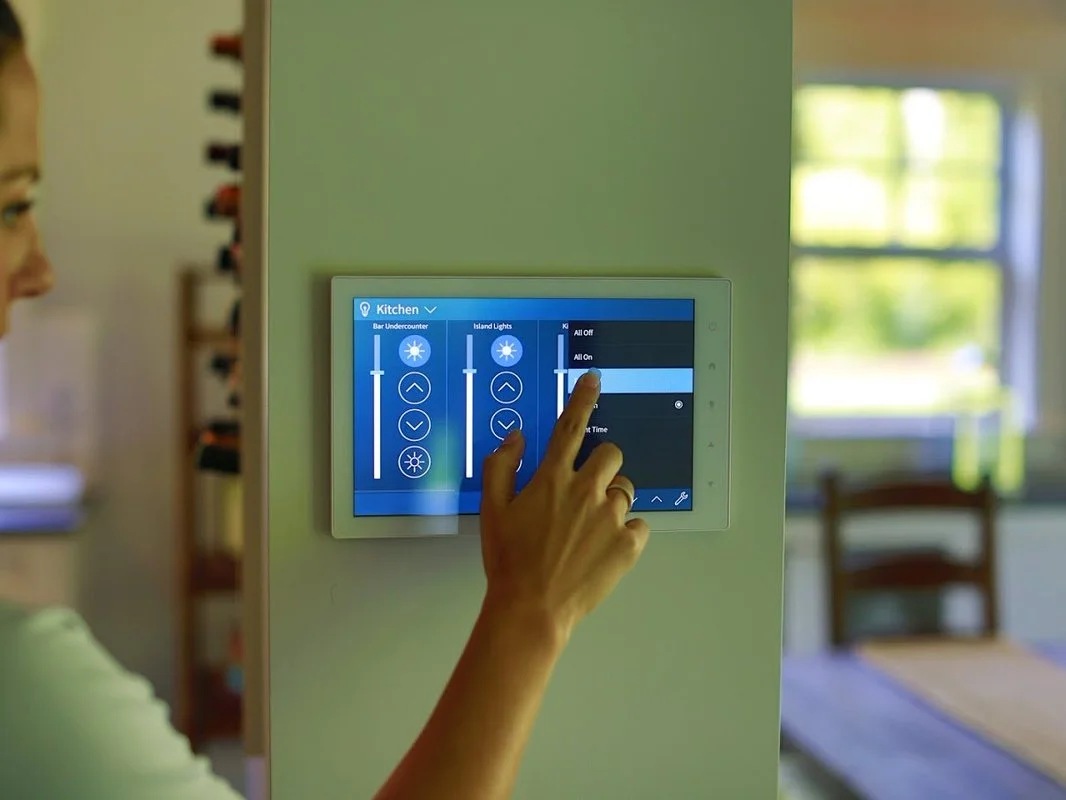
In order to control all these devices, the system needs to be automated, and in addition, the switching and control must ensure a high level of security, and importantly, for everyday use, it must provide a convenient and intuitively simple control interface on a touch-sensitive control panel. For this purpose, automated control systems have been developed that make switching and controlling even dozens of different devices as simple as driving a new-generation car with an automatic transmission. You do not need to think about the fact that the car consists of hundreds of small components and parts under the hood; you simply drive, focusing on the road, and you will safely reach your destination.
In order to create a unified and operationally reliable control system, it is first necessary to identify all functionally required equipment for the user, including both newly selected components and the functional systems already existing in the building, to ensure their stable integration into the overall control system.
Our specialists regularly conduct specialized training in the field of the latest control technologies and are able to design and implement a secure, unified control system, starting from solution coordination and project development, through cable installation and equipment delivery, to careful installation in hardware racks, system programming, handover to the user, as well as warranty and post-warranty service.
In order to control all these devices, the system needs to be automated, and in addition, the switching and control must ensure a high level of security, and importantly, for everyday use, it must provide a convenient and intuitively simple control interface on a touch-sensitive control panel. For this purpose, automated control systems have been developed that make switching and controlling even dozens of different devices as simple as driving a new-generation car with an automatic transmission. You do not need to think about the fact that the car consists of hundreds of small components and parts under the hood; you simply drive, focusing on the road, and you will safely reach your destination.
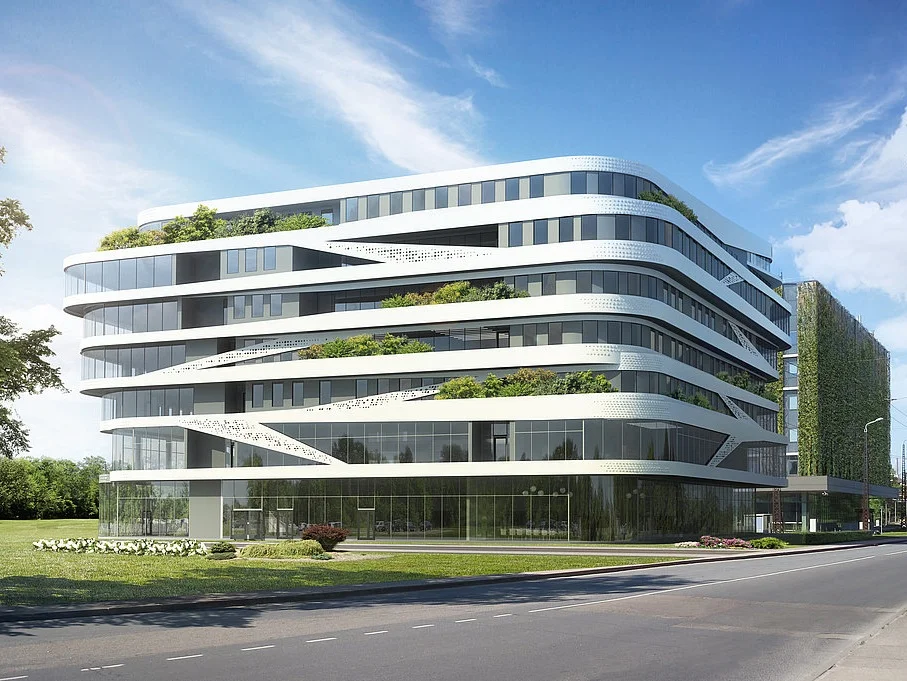
In various educational institutions, a range of technological solutions and equipment has been developed to present information to pupils and students in the most engaging, clear, and detailed way possible, thereby increasing the efficiency of the learning process itself. A large auditorium at a modern university is essentially no different from a contemporary conference hall (see Conference halls), however an essential component in educational institutions is a lecture recording system. At the same time, both the lecture’s graphic materials, including text displayed on the screen, diagrams, tables, as well as the lecturer and the audio, are recorded. The lecture content can be immediately saved both in the recording system’s memory and on the educational institution’s server, with access provided to all relevant and authorized users. Multimedia solutions in educational institutions are therefore primarily focused on supporting and enhancing the effective acquisition of knowledge throughout the learning process.
Smaller auditoriums are usually equipped with projection systems with a screen and projector, interactive whiteboards, acoustic systems, computer connection points, and a lecture recording system.
Small classrooms and rooms often use small projection systems with a retractable screen, an interactive whiteboard, audio systems for reproducing sound material, and a convenient connection point at the lecturer’s desk.
In various educational institutions, a range of technological solutions and equipment has been developed to present information to pupils and students in the most engaging, clear, and detailed way possible, thereby increasing the efficiency of the learning process itself. A large auditorium at a modern university is essentially no different from a contemporary conference hall (see Conference halls), however an essential component in educational institutions is a lecture recording system. At the same time, both the lecture’s graphic materials, including text displayed on the screen, diagrams, tables, as well as the lecturer and the audio, are recorded. The lecture content can be immediately saved both in the recording system’s memory and on the educational institution’s server, with access provided to all relevant and authorized users. Multimedia solutions in educational institutions are therefore primarily focused on supporting and enhancing the effective acquisition of knowledge throughout the learning process.
Smaller auditoriums are usually equipped with projection systems with a screen and projector, interactive whiteboards, acoustic systems, computer connection points, and a lecture recording system.
Small classrooms and rooms often use small projection systems with a retractable screen, an interactive whiteboard, audio systems for reproducing sound material, and a convenient connection point at the lecturer’s desk.
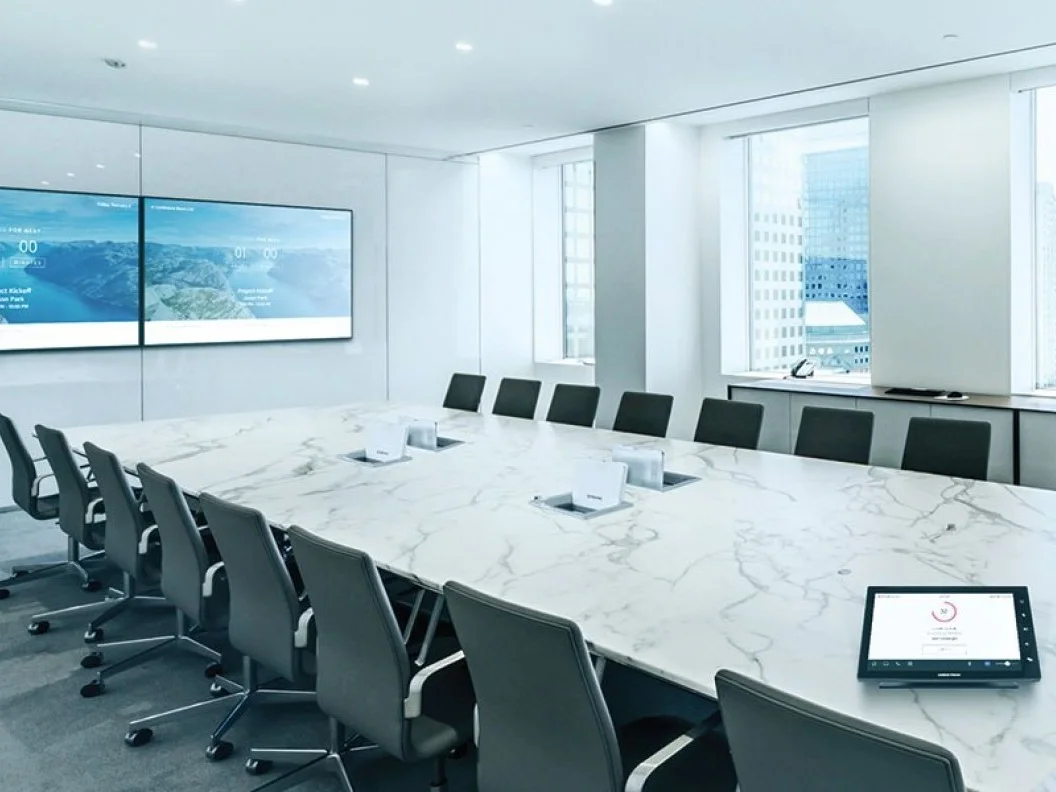
In any large company, separate rooms are equipped for a small number of participants to resolve various regular and operational issues. Due to the fact that the nature of the planned discussions is often confidential, as well as the weight of the decisions made is high, various specific technical conditions are usually set for equipping such rooms. In order to be able to make a business presentation of various informative materials and various sources, the room must be equipped with a variety of equipment, the switching of which usually requires the presence of technical personnel. Since the issues under discussion often contain commercial information and are confidential in nature, the presence of technical personnel is often undesirable. Consequently, VIP and board meeting rooms must be fully automated, and also have an easy-to-use intuitive touch control panel. In the board meeting rooms of various companies, it is necessary to document the records of the discussions, therefore it is necessary to use a discussion recording system. As a convenient business solution, a convenient presentation tool Crestron Air Media is often used, which does not require the installation of any additional software on users’ computers.
In any large company, separate rooms are equipped for a small number of participants to resolve various regular and operational issues. Due to the fact that the nature of the planned discussions is often confidential, as well as the weight of the decisions made is high, various specific technical conditions are usually set for equipping such rooms. In order to be able to make a business presentation of various informative materials and various sources, the room must be equipped with a variety of equipment, the switching of which usually requires the presence of technical personnel. Since the issues under discussion often contain commercial information and are confidential in nature, the presence of technical personnel is often undesirable. Consequently, VIP and board meeting rooms must be fully automated, and also have an easy-to-use intuitive touch control panel. In the board meeting rooms of various companies, it is necessary to document the records of the discussions, therefore it is necessary to use a discussion recording system. As a convenient business solution, a convenient presentation tool Crestron Air Media is often used, which does not require the installation of any additional software on users’ computers.
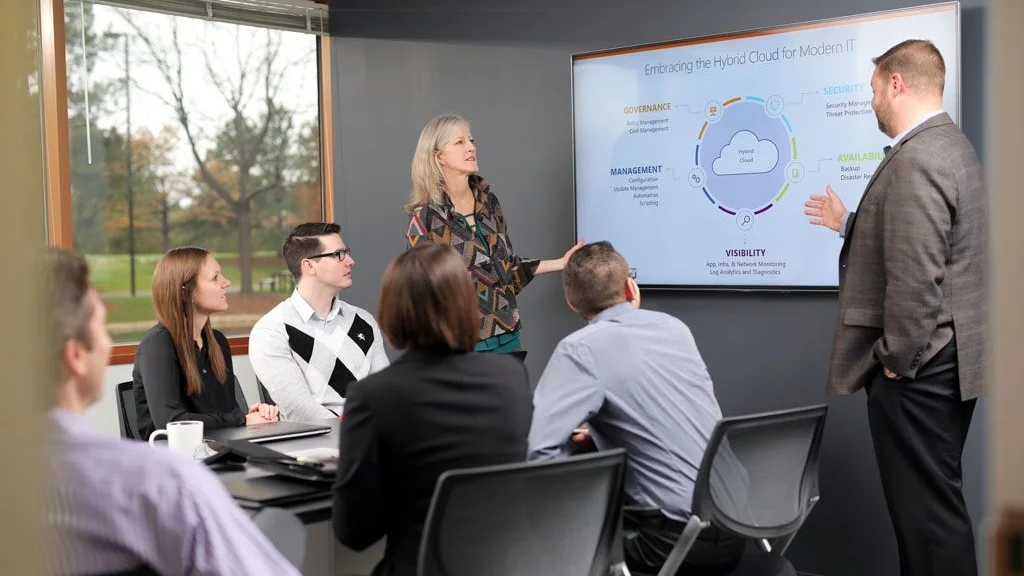
Every company has separate meeting rooms dedicated to resolving everyday issues. In order to present the information shared during meetings in the most effective way, various technological solutions are available. The basic element of a meeting room is typically a small retractable screen and a ceiling-mounted projector. In many cases, one or two computer connection points at each end of the table are sufficient. Room equipment control, including screen operation, projector switching to the required input, lighting control, audio system management, and possible blinds control, can be carried out using a compact Crestron control device integrated into the wall or table. Crestron AirMedia is often used as an effective presentation tool, allowing multiple meeting participants to connect to the screen simultaneously, splitting the display into several sections and prioritizing the active speaker. In addition, such a solution does not require the installation of any additional software on the computer.
In the case of small conference rooms, large-format displays are often selected as the most suitable information display devices, with modern 3K high-resolution screens already available at an affordable price. A display connected via cable, rather than through a table connection, provides a sufficiently effective and practical presentation solution.
Every company has separate meeting rooms dedicated to resolving everyday issues. In order to present the information shared during meetings in the most effective way, various technological solutions are available. The basic element of a meeting room is typically a small retractable screen and a ceiling-mounted projector. In many cases, one or two computer connection points at each end of the table are sufficient. Room equipment control, including screen operation, projector switching to the required input, lighting control, audio system management, and possible blinds control, can be carried out using a compact Crestron control device integrated into the wall or table. Crestron AirMedia is often used as an effective presentation tool, allowing multiple meeting participants to connect to the screen simultaneously, splitting the display into several sections and prioritizing the active speaker. In addition, such a solution does not require the installation of any additional software on the computer.
In the case of small conference rooms, large-format displays are often selected as the most suitable information display devices, with modern 3K high-resolution screens already available at an affordable price. A display connected via cable, rather than through a table connection, provides a sufficiently effective and practical presentation solution.
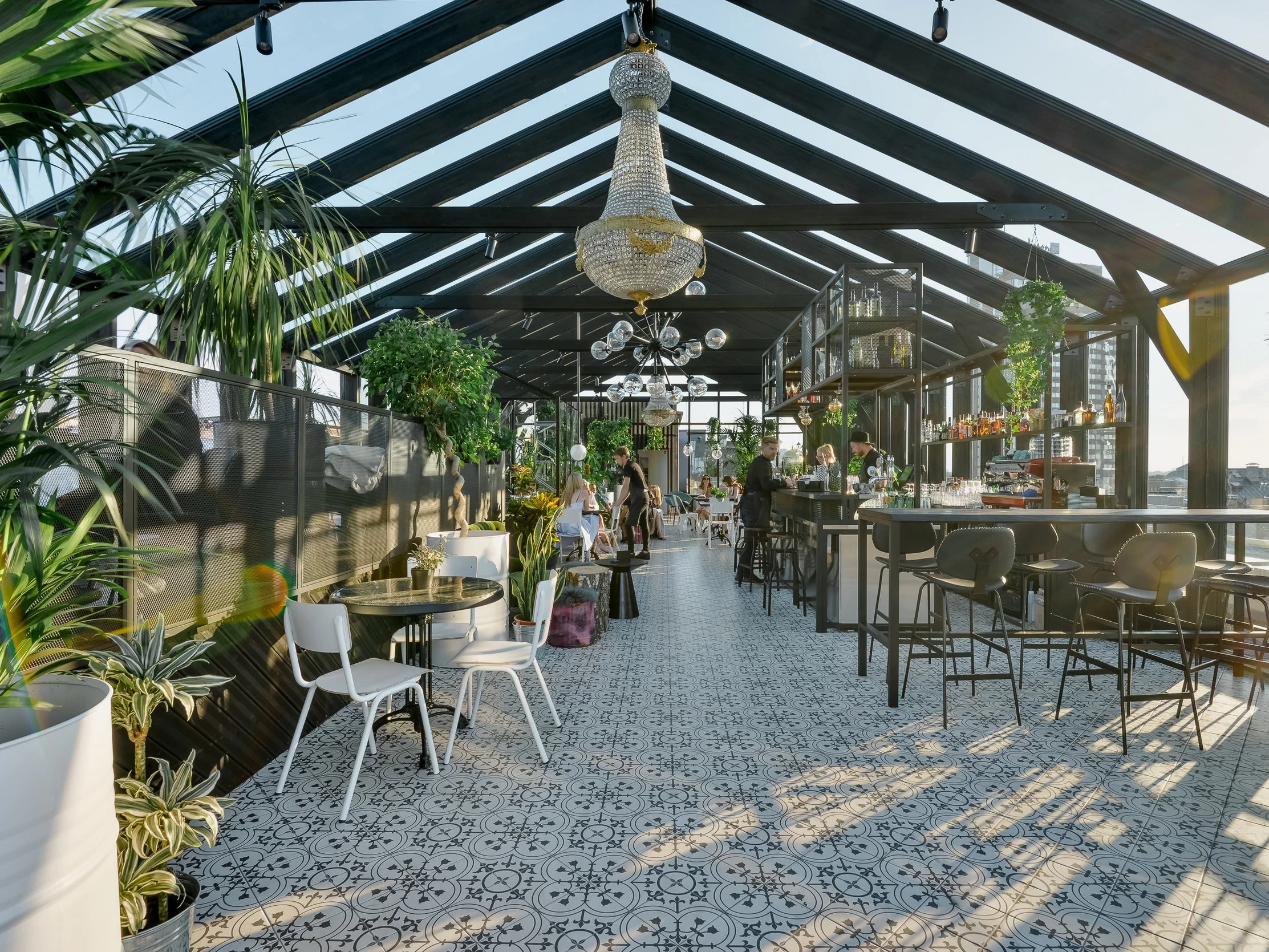
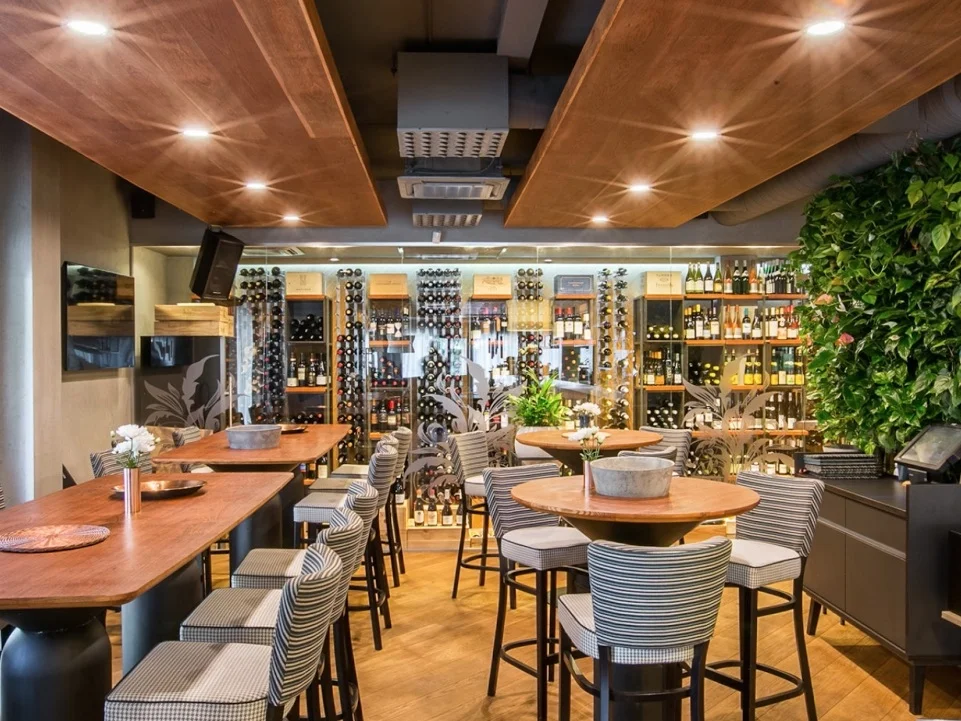
Background music sound systems.
In order to create a pleasant and cozy atmosphere, in addition to giving visitors the opportunity to enjoy the tasteful interior of the room, a musical ambiance that matches the mood plays an equally important role. When creating background music sound systems for rooms, it is important that the music is distributed pleasantly and evenly throughout the space, without noticeable localization of the sound sources. The sound should envelop the listener softly and unobtrusively, without making it obvious where it originates from. Built-in sound systems are among the most popular solutions, as their wide range of designs allows them to be harmoniously integrated into the overall interior concept of a room, both in terms of shape and color tone. To achieve a full and rich sound solution, classic acoustic systems usually require relatively large speaker enclosures, which can be difficult to conceal within an interior. In the case of built-in acoustic systems, the ceiling space above the speakers is often utilized as the necessary acoustic volume. As with compact-sized speakers, so-called split-range sound systems are also popular. In these systems, the acoustic components responsible for the low-frequency sound range, known as subwoofers, are placed in areas of the room where they occupy the least amount of space, such as behind corner sofas, behind curtains, and similar locations. Due to the physical properties of low-frequency sound waves, the localization of sound sources within this range is difficult to determine, allowing low-frequency sound to spread evenly throughout the room. However, when designing such systems, the most suitable speaker placement for achieving the most even sound reproduction can best be determined by specialists through empirical experience, after inspecting and evaluating the room on site. The choice of music genre also plays a significant role, depending on whether the venue is a restaurant featuring relaxing evening music, popular melodies that encourage visitors to stay longer, or perhaps a rock bar requiring a completely different musical atmosphere suited to its concept. In order to provide different music in separate restaurant halls or for private events, multi-zone sound systems can be created, allowing different music to be played in each zone and adjusted independently to the desired volume level. It is also important that, during installation, the system is properly tuned and adjusted to the acoustics of the room, incorporating a system processor with specialized settings and providing users with only the most necessary controls, such as signal source selection and volume adjustment. This ensures that service personnel do not repeatedly alter the system settings according to personal preference during each shift. As a result, the sound system retains its original calibrated settings at all times, preventing disruptions or unintended adjustments at inconvenient moments.
Background music sound systems.
In order to create a pleasant and cozy atmosphere, in addition to giving visitors the opportunity to enjoy the tasteful interior of the room, a musical ambiance that matches the mood plays an equally important role. When creating background music sound systems for rooms, it is important that the music is distributed pleasantly and evenly throughout the space, without noticeable localization of the sound sources. The sound should envelop the listener softly and unobtrusively, without making it obvious where it originates from. Built-in sound systems are among the most popular solutions, as their wide range of designs allows them to be harmoniously integrated into the overall interior concept of a room, both in terms of shape and color tone. To achieve a full and rich sound solution, classic acoustic systems usually require relatively large speaker enclosures, which can be difficult to conceal within an interior. In the case of built-in acoustic systems, the ceiling space above the speakers is often utilized as the necessary acoustic volume. As with compact-sized speakers, so-called split-range sound systems are also popular. In these systems, the acoustic components responsible for the low-frequency sound range, known as subwoofers, are placed in areas of the room where they occupy the least amount of space, such as behind corner sofas, behind curtains, and similar locations. Due to the physical properties of low-frequency sound waves, the localization of sound sources within this range is difficult to determine, allowing low-frequency sound to spread evenly throughout the room. However, when designing such systems, the most suitable speaker placement for achieving the most even sound reproduction can best be determined by specialists through empirical experience, after inspecting and evaluating the room on site. The choice of music genre also plays a significant role, depending on whether the venue is a restaurant featuring relaxing evening music, popular melodies that encourage visitors to stay longer, or perhaps a rock bar requiring a completely different musical atmosphere suited to its concept. In order to provide different music in separate restaurant halls or for private events, multi-zone sound systems can be created, allowing different music to be played in each zone and adjusted independently to the desired volume level. It is also important that, during installation, the system is properly tuned and adjusted to the acoustics of the room, incorporating a system processor with specialized settings and providing users with only the most necessary controls, such as signal source selection and volume adjustment. This ensures that service personnel do not repeatedly alter the system settings according to personal preference during each shift. As a result, the sound system retains its original calibrated settings at all times, preventing disruptions or unintended adjustments at inconvenient moments.
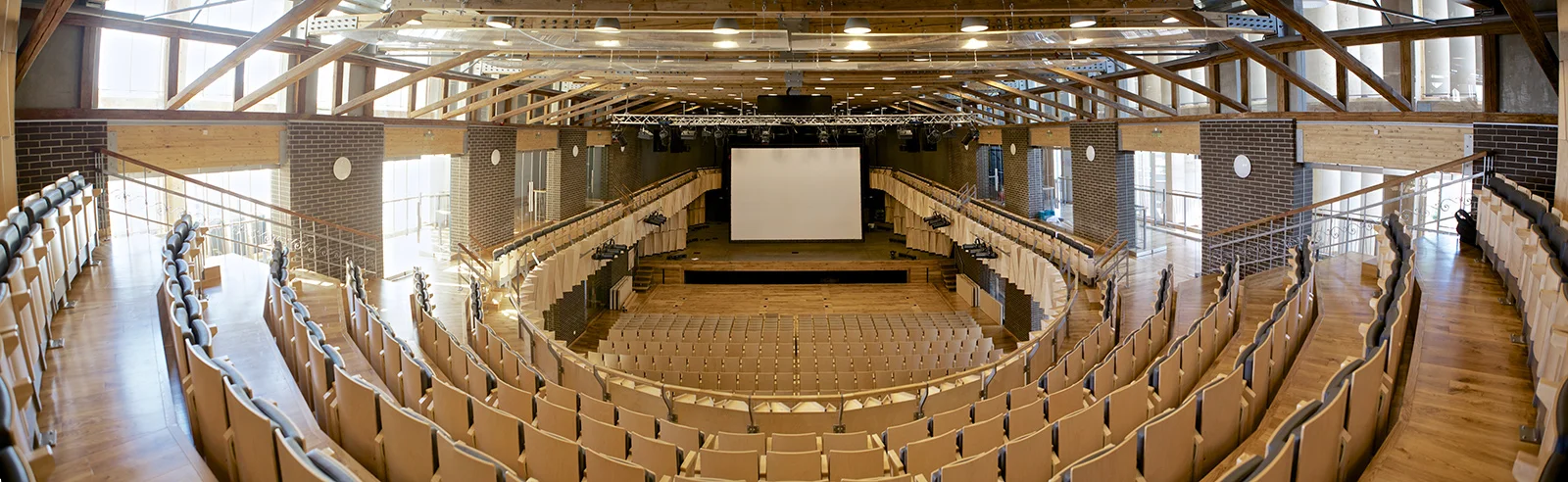
Any room, whether it is a concert hall, a jazz club, or a church, has its own unique architectural acoustics and, consequently, its own specific overall sound character. When listening to a sound source within a space, whether it is an individual instrument, a solo performer, or a choir, we hear not only the direct sound, but also the reflected sound waves from the walls, floor, and ceiling, as well as multiple reflections, which together give the room its own distinctive tonal color, with one of the key parameters being the reverberation coefficient. Each musical genre has a suitable environment and a space in which it is best experienced. In order to predict the acoustic parameters of a room as accurately as possible, it is necessary to create a highly precise acoustic mathematical model of the space. By analyzing this model, it becomes possible to introduce various adjustments to the room’s architectural acoustics, thereby aiming to achieve the desired result. Often, depending on the musical genre, electroacoustic tuning of the space is required to meet the needs of individual instruments, solo performers, artists, and event organizers. Stationary or mobile acoustic systems are installed and connected to sound amplification units, audio processing processors, control monitors, microphone systems, as well as mixing and control consoles, typically located in a technical room, in order to achieve the best possible sound experience for all audience members in the hall.
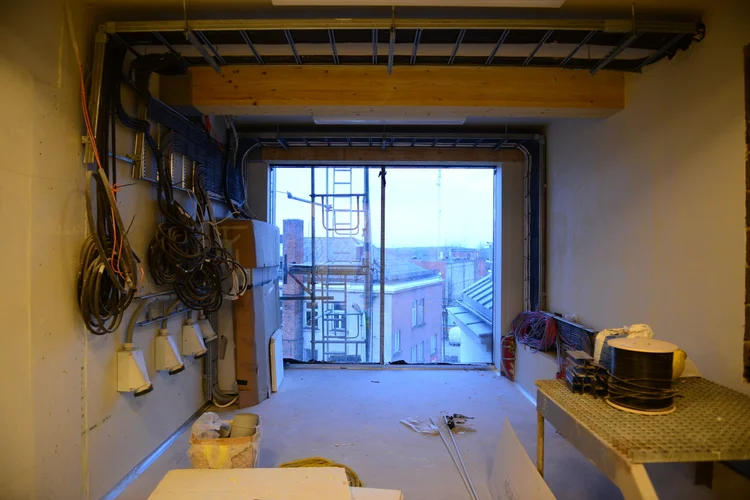
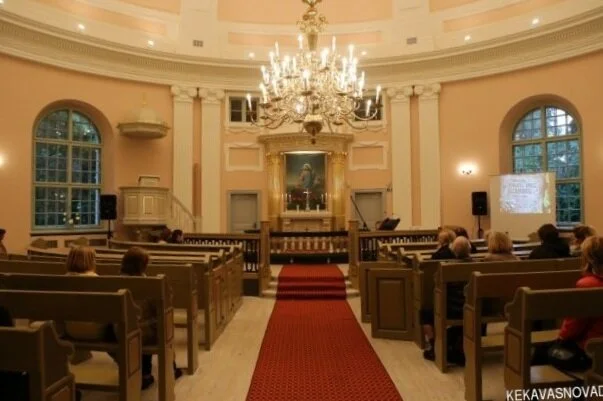
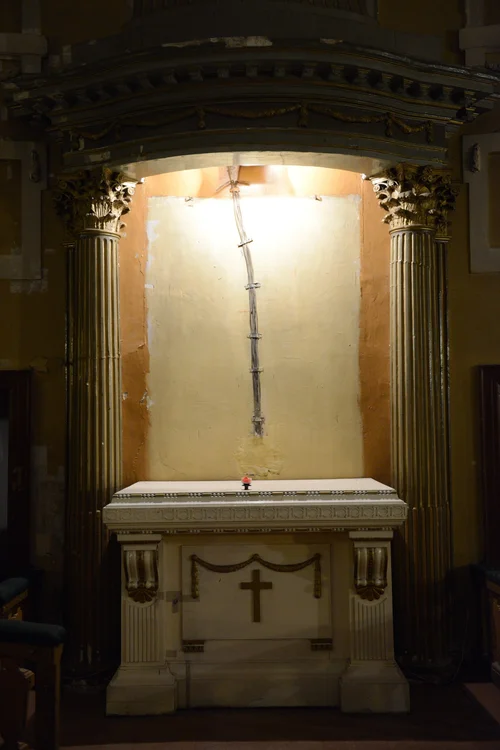
Electroacoustic sound reinforcement in churches is primarily related to the conduct of Divine services within a church as a sacred building. An important task in churches, which are spaces with high reverberation coefficients and multiple sound reflections, is ensuring that the spoken message reaches every listener with clear articulation and maximum intelligibility. Therefore, specialized sound reinforcement systems are designed for churches, depending on their size and acoustic characteristics.
Any room, whether it is a concert hall, a jazz club, or a church, has its own unique architectural acoustics and, consequently, its own specific overall sound character. When listening to a sound source within a space, whether it is an individual instrument, a solo performer, or a choir, we hear not only the direct sound, but also the reflected sound waves from the walls, floor, and ceiling, as well as multiple reflections, which together give the room its own distinctive tonal color, with one of the key parameters being the reverberation coefficient. Each musical genre has a suitable environment and a space in which it is best experienced. In order to predict the acoustic parameters of a room as accurately as possible, it is necessary to create a highly precise acoustic mathematical model of the space. By analyzing this model, it becomes possible to introduce various adjustments to the room’s architectural acoustics, thereby aiming to achieve the desired result. Often, depending on the musical genre, electroacoustic tuning of the space is required to meet the needs of individual instruments, solo performers, artists, and event organizers. Stationary or mobile acoustic systems are installed and connected to sound amplification units, audio processing processors, control monitors, microphone systems, as well as mixing and control consoles, typically located in a technical room, in order to achieve the best possible sound experience for all audience members in the hall.
Electroacoustic sound reinforcement in churches is primarily related to the conduct of Divine services within a church as a sacred building. An important task in churches, which are spaces with high reverberation coefficients and multiple sound reflections, is ensuring that the spoken message reaches every listener with clear articulation and maximum intelligibility. Therefore, specialized sound reinforcement systems are designed for churches, depending on their size and acoustic characteristics.
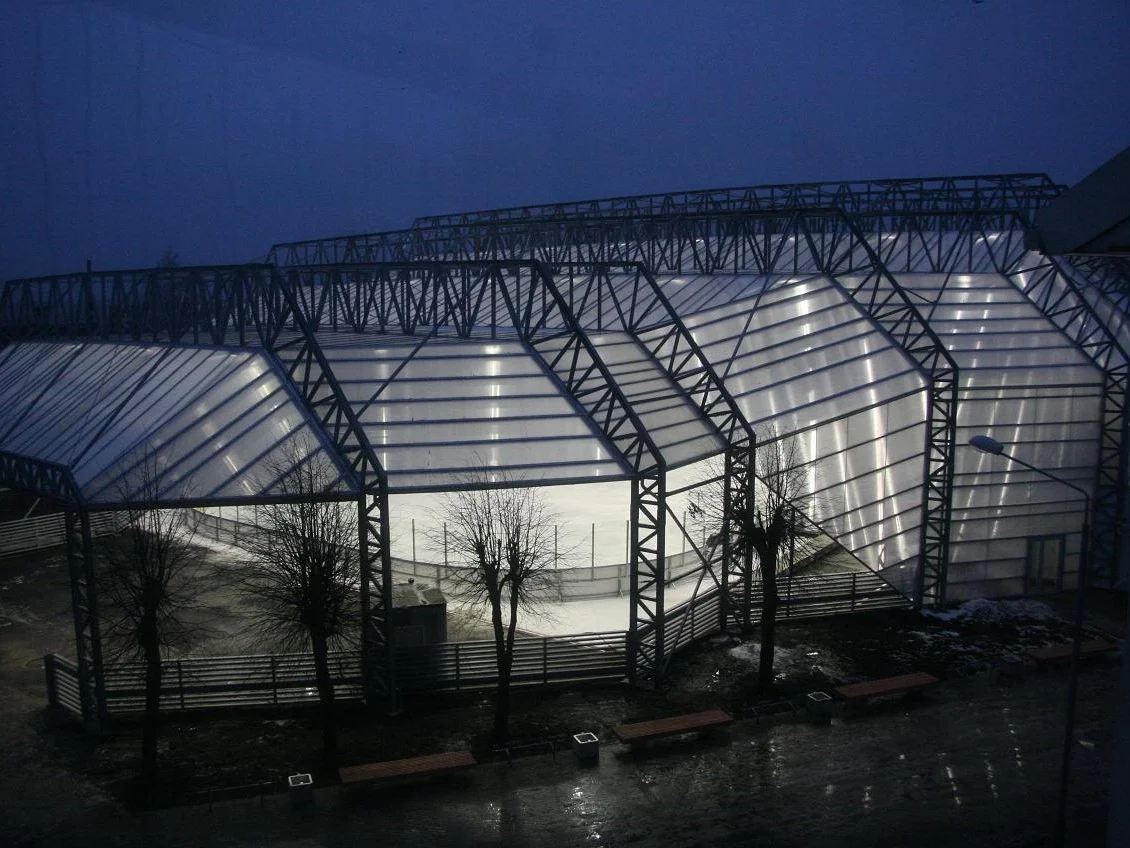
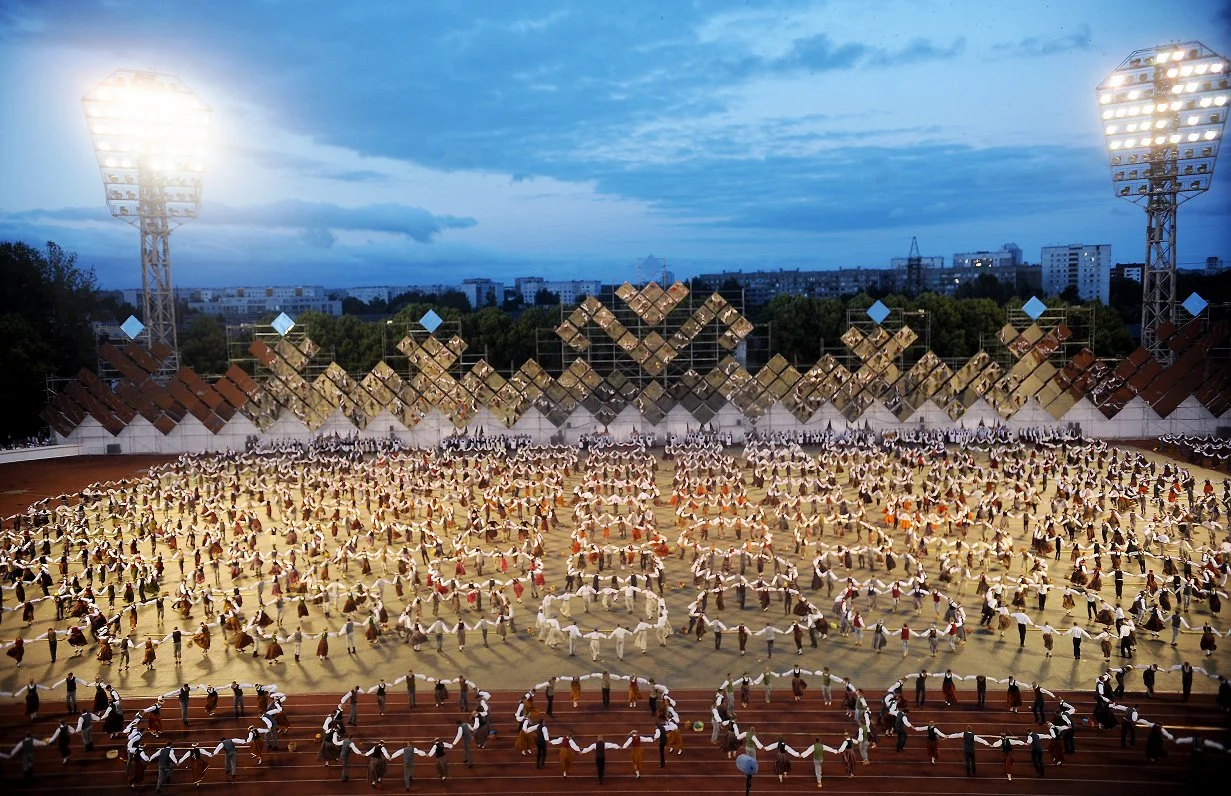
The basic use of various sports facilities is the hosting of sports competitions and daily training sessions, while at the same time their application has a much broader functional purpose for organizing various public and mass events. Sound systems are designed primarily for the reproduction of announcements, combined with the ability to play background music between sports events. However, the system must provide a significant reserve of sound dynamic range, so that it can operate effectively in daily training mode, allowing the coach’s instructions to be clearly heard, while during major competitions a power reserve of several hundred times greater may be required to achieve the same level of audibility and clarity of reproduced sound at a sound pressure level that exceeds the ambient noise generated by enthusiastic spectators. In order for stadiums, arenas, and sports halls to comply with various international standards, such as UEFA requirements, the designed sound system must meet both the required sound pressure level parameters at any seating position in the stands, as well as the requirements for speech intelligibility, while maintaining sound quality and uniform frequency distribution throughout the space. The resistance of acoustic systems to rain, snow, ultraviolet radiation, and extreme temperature fluctuations—from freezing winter conditions to overheating under direct summer sun—is also an important factor for stadium sound systems. When designing sound systems in large stadiums with audiences seated in different areas of the stands, it is essential to take into account long sound propagation distances and the related acoustic effects, including the reception of sound arriving from multiple points simultaneously. In order to ensure high-quality performance across all areas of the venue—such as sufficient yet not excessive sound pressure levels, high intelligibility of audio content, especially in the speech range, and consistent overall sound quality evenly distributed across all listening positions—represents a significant challenge for any professional sound system design company. Prior to project development, many different and important acoustic and spatial parameters must be carefully considered, which may also vary depending on the specific type of event being hosted.
Over the course of more than 30 years, our specialists have gained extensive and invaluable experience in designing sound systems for some of the country’s leading concert halls, national and international stadiums, several hundred training auditoriums and conference rooms, as well as many popular cafés and restaurants. In these venues, the background music often goes unnoticed because it naturally and pleasantly fills the room, does not interfere with conversation, and blends harmoniously with the overall interior design. We hope to be of service to you as well.
The basic use of various sports facilities is the hosting of sports competitions and daily training sessions, while at the same time their application has a much broader functional purpose for organizing various public and mass events. Sound systems are designed primarily for the reproduction of announcements, combined with the ability to play background music between sports events. However, the system must provide a significant reserve of sound dynamic range, so that it can operate effectively in daily training mode, allowing the coach’s instructions to be clearly heard, while during major competitions a power reserve of several hundred times greater may be required to achieve the same level of audibility and clarity of reproduced sound at a sound pressure level that exceeds the ambient noise generated by enthusiastic spectators. In order for stadiums, arenas, and sports halls to comply with various international standards, such as UEFA requirements, the designed sound system must meet both the required sound pressure level parameters at any seating position in the stands, as well as the requirements for speech intelligibility, while maintaining sound quality and uniform frequency distribution throughout the space. The resistance of acoustic systems to rain, snow, ultraviolet radiation, and extreme temperature fluctuations—from freezing winter conditions to overheating under direct summer sun—is also an important factor for stadium sound systems. When designing sound systems in large stadiums with audiences seated in different areas of the stands, it is essential to take into account long sound propagation distances and the related acoustic effects, including the reception of sound arriving from multiple points simultaneously. In order to ensure high-quality performance across all areas of the venue—such as sufficient yet not excessive sound pressure levels, high intelligibility of audio content, especially in the speech range, and consistent overall sound quality evenly distributed across all listening positions—represents a significant challenge for any professional sound system design company. Prior to project development, many different and important acoustic and spatial parameters must be carefully considered, which may also vary depending on the specific type of event being hosted.
Over the course of more than 30 years, our specialists have gained extensive and invaluable experience in designing sound systems for some of the country’s leading concert halls, national and international stadiums, several hundred training auditoriums and conference rooms, as well as many popular cafés and restaurants. In these venues, the background music often goes unnoticed because it naturally and pleasantly fills the room, does not interfere with conversation, and blends harmoniously with the overall interior design. We hope to be of service to you as well.
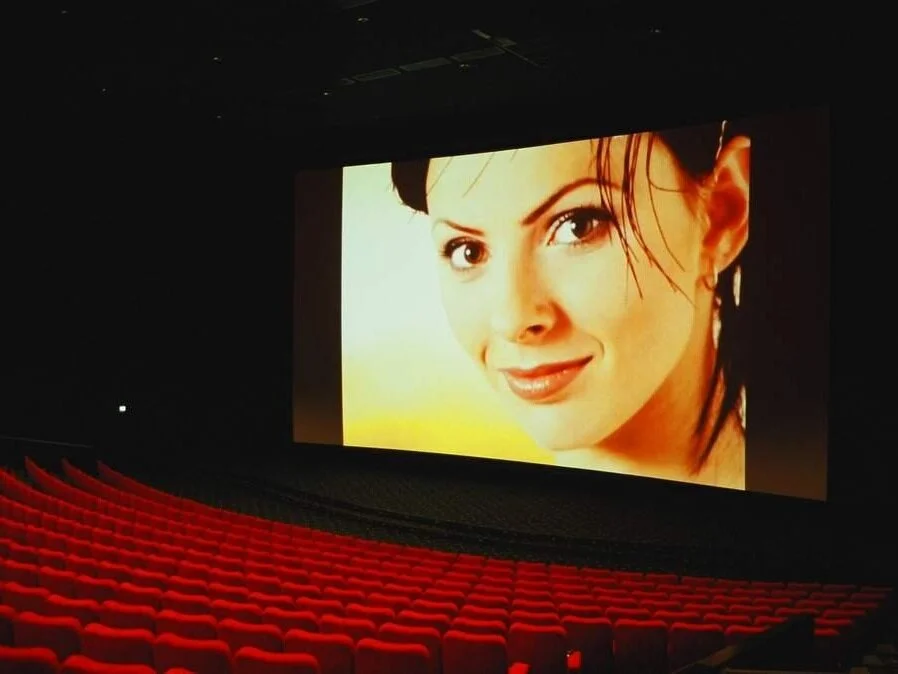
The high standards of modern cinema installations place increasingly demanding requirements on the equipment and overall design of the cinema itself. The creation of a cinema begins with the proper configuration of the room, including its acoustic treatment, as well as the selection of specialized cinema seating. For the acoustic treatment of the room, various acoustic finishing materials and decorative panels from specialized manufacturers can be used, with specific acoustic parameters provided for each product, allowing the most suitable materials to be selected for a particular room. However, in order to reduce costs, it is also possible to use locally available sound-absorbing building materials. By carrying out laboratory measurements, the relevant acoustic parameters of these materials can be determined. Using these measurements in acoustic calculations makes it possible to predict the overall acoustic performance of the cinema room as a whole.
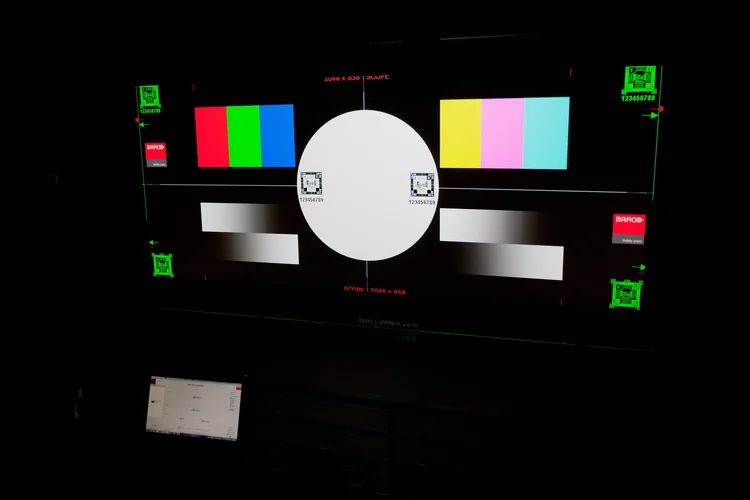
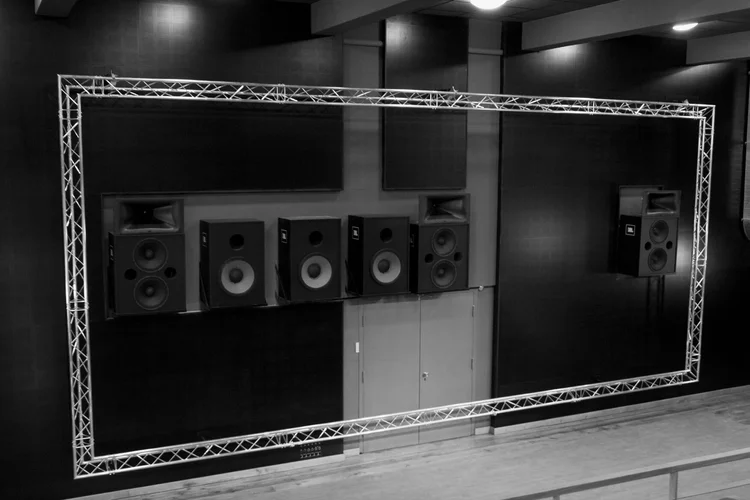
Cinemas use large-format cinema screens made from micro-perforated, sound-transparent reflective materials. For audio reproduction, multi-channel sound systems are utilized, which, depending on the specific requirements, can be designed either as standard multi-channel configurations or as immersive spatial Dolby Atmos systems. High-power Christie or Barco 3-chip projection systems are typically used as image projection sources. Our company employs certified digital cinema projector installation specialists, and we are able to offer complete installation services for cinema hall equipment as an integrated solution.
The high standards of modern cinema installations place increasingly demanding requirements on the equipment and overall design of the cinema itself. The creation of a cinema begins with the proper configuration of the room, including its acoustic treatment, as well as the selection of specialized cinema seating. For the acoustic treatment of the room, various acoustic finishing materials and decorative panels from specialized manufacturers can be used, with specific acoustic parameters provided for each product, allowing the most suitable materials to be selected for a particular room. However, in order to reduce costs, it is also possible to use locally available sound-absorbing building materials. By carrying out laboratory measurements, the relevant acoustic parameters of these materials can be determined. Using these measurements in acoustic calculations makes it possible to predict the overall acoustic performance of the cinema room as a whole.
Cinemas use large-format cinema screens made from micro-perforated, sound-transparent reflective materials. For audio reproduction, multi-channel sound systems are utilized, which, depending on the specific requirements, can be designed either as standard multi-channel configurations or as immersive spatial Dolby Atmos systems. High-power Christie or Barco 3-chip projection systems are typically used as image projection sources. Our company employs certified digital cinema projector installation specialists, and we are able to offer complete installation services for cinema hall equipment as an integrated solution.
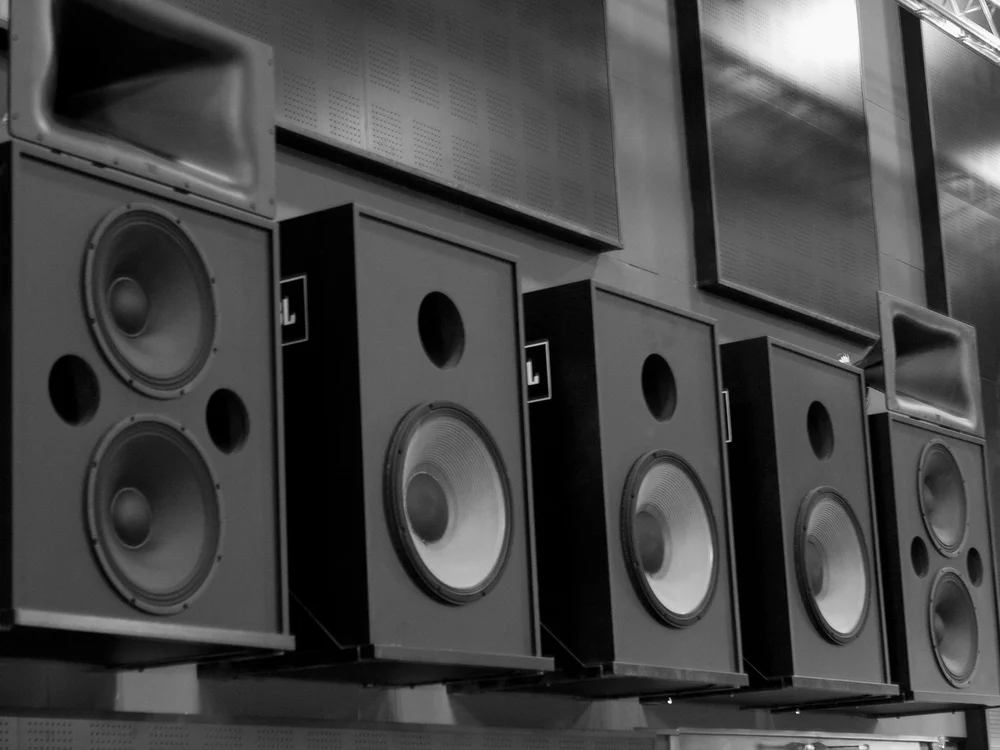
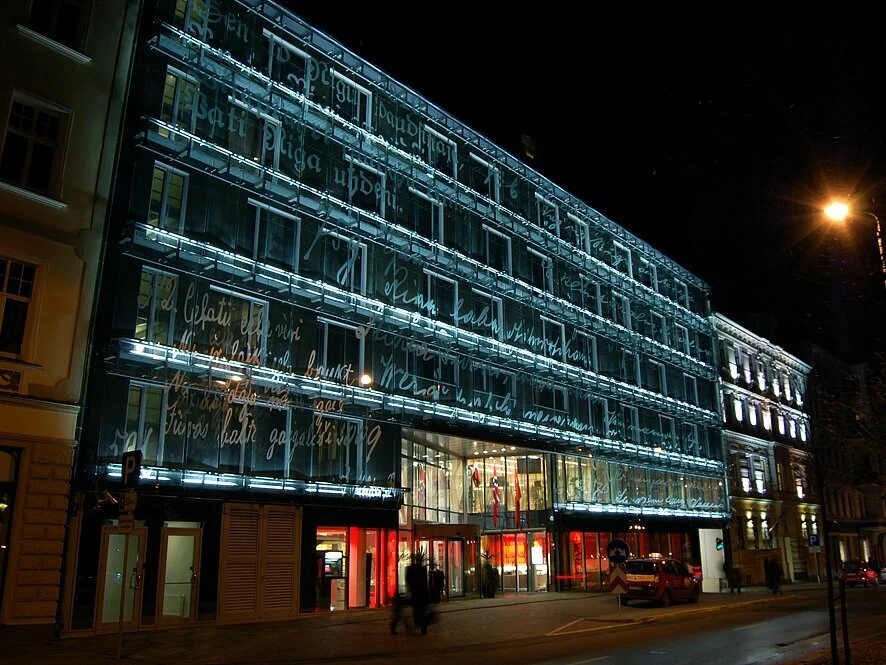
Lighting and curtain control solutions for hotel rooms, public areas, conference rooms, as well as service areas.
Unparalleled Innovation – For more than 50 years, Lutron lighting solutions have set the standard for both residential and commercial spaces. Since 1976, Lutron has been providing lighting solutions to hotels around the world, and today the company is represented in more than 80 countries, including many of the world’s most prestigious hotels.
World-class quality – visual appearance, energy efficiency, and ease of use for customers are among the key quality standards that Lutron applies to every installation and every project.
Exclusive level of service – worldwide service and technical support are provided to ensure reliability and customer confidence. Trained technical staff and Lutron engineers offer technical support 24/7, anywhere in the world.
The solutions offered by Lutron create the best possible conditions for guests, ensuring energy efficiency without compromising comfort or elegance.
System advantages:
• Lighting, curtains and temperature can be automatically adjusted depending on the time of day, celebration of events or the presence of guests
• Intuitive controls allow hotel staff to easily control lighting, curtains and temperature, including in individual rooms
• It is possible to provide convenience to guests with built-in commands – “do not disturb” or “please clean”
• The lighting control system allows for centralized control and monitoring of lighting, curtains and temperature status, reducing energy consumption and operating costs, as well as reducing higher-level consumption
• Automatic adjustments of parameters based on timer settings, guest presence, or other factors also contribute to energy savings
• Highlighting architectural details and artwork, positioning artworks effectively, as well as reducing sun glare and enhancing guest comfort levels
• Creating a pleasant atmosphere for guests
Lighting and curtain control solutions for hotel rooms, public areas, conference rooms, as well as service areas.
Unparalleled Innovation – For more than 50 years, Lutron lighting solutions have set the standard for both residential and commercial spaces. Since 1976, Lutron has been providing lighting solutions to hotels around the world, and today the company is represented in more than 80 countries, including many of the world’s most prestigious hotels.
World-class quality – visual appearance, energy efficiency, and ease of use for customers are among the key quality standards that Lutron applies to every installation and every project.
Exclusive level of service – worldwide service and technical support are provided to ensure reliability and customer confidence. Trained technical staff and Lutron engineers offer technical support 24/7, anywhere in the world.
The solutions offered by Lutron create the best possible conditions for guests, ensuring energy efficiency without compromising comfort or elegance.
System advantages:
• Lighting, curtains and temperature can be automatically adjusted depending on the time of day, celebration of events or the presence of guests
• Intuitive controls allow hotel staff to easily control lighting, curtains and temperature, including in individual rooms
• It is possible to provide convenience to guests with built-in commands – “do not disturb” or “please clean”
• The lighting control system allows for centralized control and monitoring of lighting, curtains and temperature status, reducing energy consumption and operating costs, as well as reducing higher-level consumption
• Automatic adjustments of parameters based on timer settings, guest presence, or other factors also contribute to energy savings
• Highlighting architectural details and artwork, positioning artworks effectively, as well as reducing sun glare and enhancing guest comfort levels
• Creating a pleasant atmosphere for guests
My Room
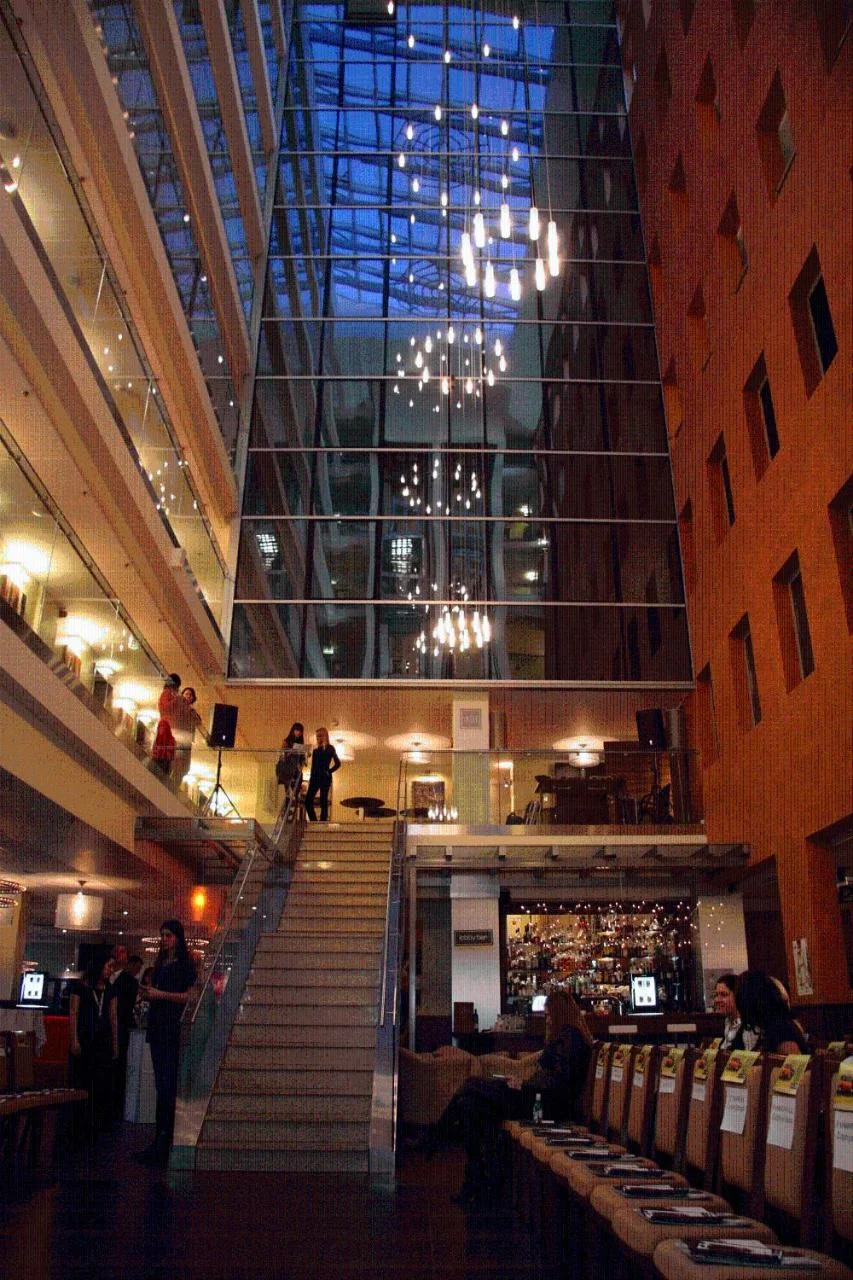
• Lutron MyRoom – a series of control systems for managing lighting, temperature, and curtains in hotel guest rooms. Each system can be configured according to functional requirements and budget
• All MyRoom systems provide attractive, easy-to-use and intuitive management features that help you highlight your hotel and delight your guests
• Lutron has been present on the global market for over 50 years, with its services and products installed worldwide, across numerous regions. Lutron offers two different classes of solutions – MyRoom Prime and MyRoom Plus – which can be applied to facilities of any level. The MyRoom system utilizes occupancy indicators, data from door open/close state sensors, and button press status information from control panels
MyRoom system features:
• Independent control of lighting, temperature, and curtains in each room, operating independently of hotel management systems
• Lighting, temperature and curtain control in rooms integrated into the PMS hotel management system or BMS building management system
• Different lighting requirements are applied at different times, which allows you to save electricity without losing comfort for guests
• Conference rooms and meeting rooms use universal lighting with different scenarios for maximum comfort for all users and the nature of the event
• Lighting control in banquet halls allows for any changes upon first request
• The lobby and service areas do not require full lighting at all times, the required lighting level can be preset
• Proper lighting in a restaurant allows you to create an unforgettable impression and atmosphere from enjoying dinner
• Soft light in the SPA area allows guests to “forget” about stress and busy schedules
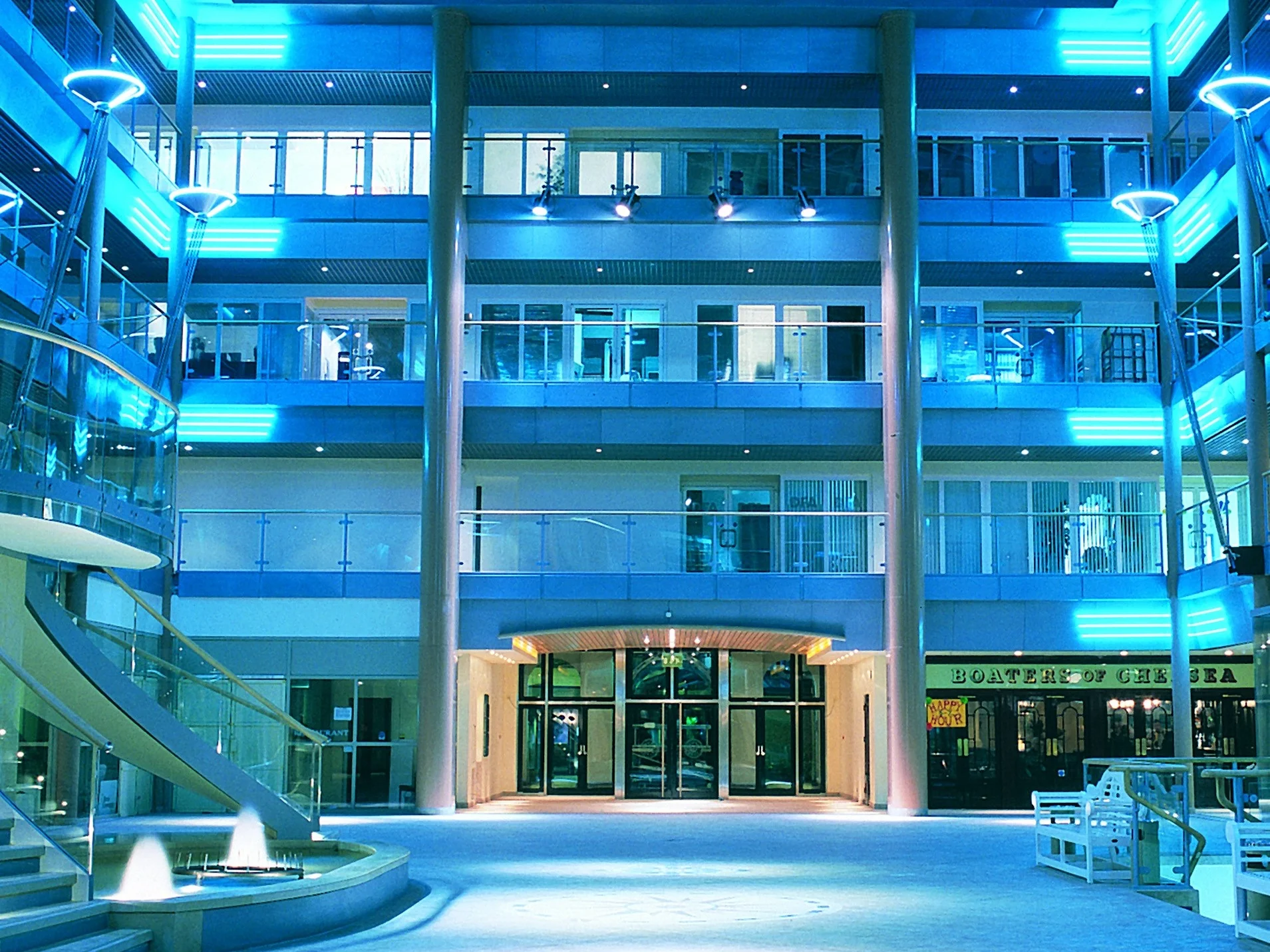
The essence of lighting systems in public spaces is not limited to simply switching lights on in the morning and turning them off throughout the building in the evening, when the last person leaves, but extends far beyond this basic function. In order to achieve maximum work productivity, each workplace also requires an appropriate level of illumination. At the same time, there is an increasing focus on continuously improving energy efficiency, for example by switching off all unnecessary lighting or automatically dimming rooms into an energy-saving mode when they are temporarily unoccupied. In conference rooms, operational dimming of individual lighting zones is also required. In addition, lighting and other aspects of interior design play an important role in creating a comfortable and functional environment.
Lighting control in public buildings
Conference rooms, meeting rooms, public areas and building lobbies
Lighting in meeting rooms should be dynamic and easily adjustable, depending on the purpose of the meeting and the composition of the team. Control panels can be used to select the desired lighting scenario or to set the required brightness levels for different areas of the room, such as the projection screen area.
Sometimes conference and meeting rooms require complete darkness, while at other times bright lighting is necessary, for example at the beginning of an event. The lighting control system makes it possible to achieve the required lighting level within seconds, while automatic blinds and curtains integrated into a single system ensure effective light dimming.
The most convenient way to control different lighting groups in public spaces is through a lighting control system that stores various lighting scenarios in its memory and provides settings for brightness as well as blind and curtain positioning. In certain cases, such a system is essential.
Workplace
Comfortable workplace lighting increases productivity, and the use of lighting control system components such as dimmers, presence sensors, and daylight sensors can reduce electricity consumption by up to 70%.
Restaurants
Comfortable lighting is one of the most important factors influencing the loyalty of restaurant or café guests. Using lighting scenarios based on the time of day, season, length of daylight, and type of event is an effective way to quickly create the most suitable atmosphere. With Lutron lighting controllers, which can automatically determine sunrise and sunset times in Latvia for any given day of the year, restaurant visitors will not even notice how it gradually becomes dark outside, while the lighting inside transitions just as imperceptibly. In this way, restaurant staff can remain focused on welcoming guests without needing to think about manual lighting adjustments.
Hotel room, lobby, reception
Lutron lighting systems are used by hospitality giants such as Hilton, Four Seasons, Kempinski Grand Hotel, Marriott, Hyatt, Sheraton. Convenient control of lighting, curtain and blind systems, and proper lighting are very important factors for hotel guests to feel comfortable.
The lighting design of entrance areas, especially in spaces such as a business center lobby or hotel reception, serves as a company’s calling card. With the Lutron system, lighting settings can be easily configured, and the control of luminaires and their groups becomes logical and intuitive, even across a large number of lighting zones. There is no need to wait weeks for remote reprogramming of individual modules in a manufacturer’s specialized service center, as the Lutron system allows adjustments to be made quickly, thanks to its flexibility and user-friendly service capabilities.
Lutron has a very caring attitude towards the environment, especially towards energy saving. Previously, not much was done in this direction in the world, but Lutron has long been moving in that direction. Lutron has calculated that thanks to the equipment they have installed, more than 9 billion kWh of electricity is saved worldwide. This is enough to light up about 4.5 million homes per year or to light up New York’s Times Square for ten years from the spot. Or a similar amount of energy produced by 2,000 wind turbines over a twelve-month period.
For Lutron, energy saving is at the heart of what it does. Lutron pioneered dimming technology that reduces light consumption and extends the life of light bulbs by up to 10 times.
Lutron blind and curtain control systems also make it possible to significantly reduce heating and cooling costs. Lutron solutions are widely used in offices, schools, and hospitals as well, which further supports energy savings and therefore reduces operational expenses, allowing funds to be allocated to other priorities.
Lutron authorized representatives have been working in Latvia for over 15 years. Their trained and experienced specialists implement various projects related to general lighting in buildings.
The essence of lighting systems in public spaces is not limited to simply switching lights on in the morning and turning them off throughout the building in the evening, when the last person leaves, but extends far beyond this basic function. In order to achieve maximum work productivity, each workplace also requires an appropriate level of illumination. At the same time, there is an increasing focus on continuously improving energy efficiency, for example by switching off all unnecessary lighting or automatically dimming rooms into an energy-saving mode when they are temporarily unoccupied. In conference rooms, operational dimming of individual lighting zones is also required. In addition, lighting and other aspects of interior design play an important role in creating a comfortable and functional environment.
Lighting control in public buildings
Conference rooms, meeting rooms, public areas and building lobbies
Lighting in meeting rooms should be dynamic and easily adjustable, depending on the purpose of the meeting and the composition of the team. Control panels can be used to select the desired lighting scenario or to set the required brightness levels for different areas of the room, such as the projection screen area.
Sometimes conference and meeting rooms require complete darkness, while at other times bright lighting is necessary, for example at the beginning of an event. The lighting control system makes it possible to achieve the required lighting level within seconds, while automatic blinds and curtains integrated into a single system ensure effective light dimming.
The most convenient way to control different lighting groups in public spaces is through a lighting control system that stores various lighting scenarios in its memory and provides settings for brightness as well as blind and curtain positioning. In certain cases, such a system is essential.
Workplace
Comfortable workplace lighting increases productivity, and the use of lighting control system components such as dimmers, presence sensors, and daylight sensors can reduce electricity consumption by up to 70%.
Restaurants
Comfortable lighting is one of the most important factors influencing the loyalty of restaurant or café guests. Using lighting scenarios based on the time of day, season, length of daylight, and type of event is an effective way to quickly create the most suitable atmosphere. With Lutron lighting controllers, which can automatically determine sunrise and sunset times in Latvia for any given day of the year, restaurant visitors will not even notice how it gradually becomes dark outside, while the lighting inside transitions just as imperceptibly. In this way, restaurant staff can remain focused on welcoming guests without needing to think about manual lighting adjustments.
Hotel room, lobby, reception
Lutron lighting systems are used by hospitality giants such as Hilton, Four Seasons, Kempinski Grand Hotel, Marriott, Hyatt, Sheraton. Convenient control of lighting, curtain and blind systems, and proper lighting are very important factors for hotel guests to feel comfortable.
The lighting design of entrance areas, especially in spaces such as a business center lobby or hotel reception, serves as a company’s calling card. With the Lutron system, lighting settings can be easily configured, and the control of luminaires and their groups becomes logical and intuitive, even across a large number of lighting zones. There is no need to wait weeks for remote reprogramming of individual modules in a manufacturer’s specialized service center, as the Lutron system allows adjustments to be made quickly, thanks to its flexibility and user-friendly service capabilities.
Lutron has a very caring attitude towards the environment, especially towards energy saving. Previously, not much was done in this direction in the world, but Lutron has long been moving in that direction. Lutron has calculated that thanks to the equipment they have installed, more than 9 billion kWh of electricity is saved worldwide. This is enough to light up about 4.5 million homes per year or to light up New York’s Times Square for ten years from the spot. Or a similar amount of energy produced by 2,000 wind turbines over a twelve-month period.
For Lutron, energy saving is at the heart of what it does. Lutron pioneered dimming technology that reduces light consumption and extends the life of light bulbs by up to 10 times.
Lutron blind and curtain control systems also make it possible to significantly reduce heating and cooling costs. Lutron solutions are widely used in offices, schools, and hospitals as well, which further supports energy savings and therefore reduces operational expenses, allowing funds to be allocated to other priorities.
Lutron authorized representatives have been working in Latvia for over 15 years. Their trained and experienced specialists implement various projects related to general lighting in buildings.
Our long-standing principle of operation is to provide an individual solution tailored to each specific client. Extensive experience accumulated over more than 30 years, with more than 2,500 completed installation projects and a wide range of equipment from specific manufacturers, enables us to develop a dedicated solution, or multiple solutions, for each situation.
If you would like to hear the opinion of our specialists, then it is possible to agree on a consultation time, during which we will listen to all of the client’s wishes and provide guidance on choosing the most appropriate solution.
Since we work in an area where it is necessary to connect various devices into a single system, it may be necessary to develop a technical solution, which in the case of uncomplicated projects can be carried out without additional payment from the customer.
In the case of more complex solutions, where the number of devices connected in a single system can reach several hundred, guaranteed system functionality may require detailed project development, which can be clearly verified from both the mutual commutation of the system component devices, power supply, control and execution circuits, as well as the location and configuration of the devices in separate rooms, cabinets and hardware racks. We have highly qualified specialists with the necessary knowledge in their field at our disposal. Project development is labor-intensive and time-consuming and must be agreed upon separately.
Our long-standing principle of operation is to provide an individual solution tailored to each specific client. Extensive experience accumulated over more than 30 years, with more than 2,500 completed installation projects and a wide range of equipment from specific manufacturers, enables us to develop a dedicated solution, or multiple solutions, for each situation.
If you would like to hear the opinion of our specialists, then it is possible to agree on a consultation time, during which we will listen to all of the client’s wishes and provide guidance on choosing the most appropriate solution.
Since we work in an area where it is necessary to connect various devices into a single system, it may be necessary to develop a technical solution, which in the case of uncomplicated projects can be carried out without additional payment from the customer.
In the case of more complex solutions, where the number of devices connected in a single system can reach several hundred, guaranteed system functionality may require detailed project development, which can be clearly verified from both the mutual commutation of the system component devices, power supply, control and execution circuits, as well as the location and configuration of the devices in separate rooms, cabinets and hardware racks. We have highly qualified specialists with the necessary knowledge in their field at our disposal. Project development is labor-intensive and time-consuming and must be agreed upon separately.